THE SANTA FE COUNTY COMMISSION UNANIMOUSLY ADOPTED A DATA CENTER MORATORIUM ORDINANCE WITH CRITICAL AMENDMENTS DEMANDED BY THE PEOPLE | |
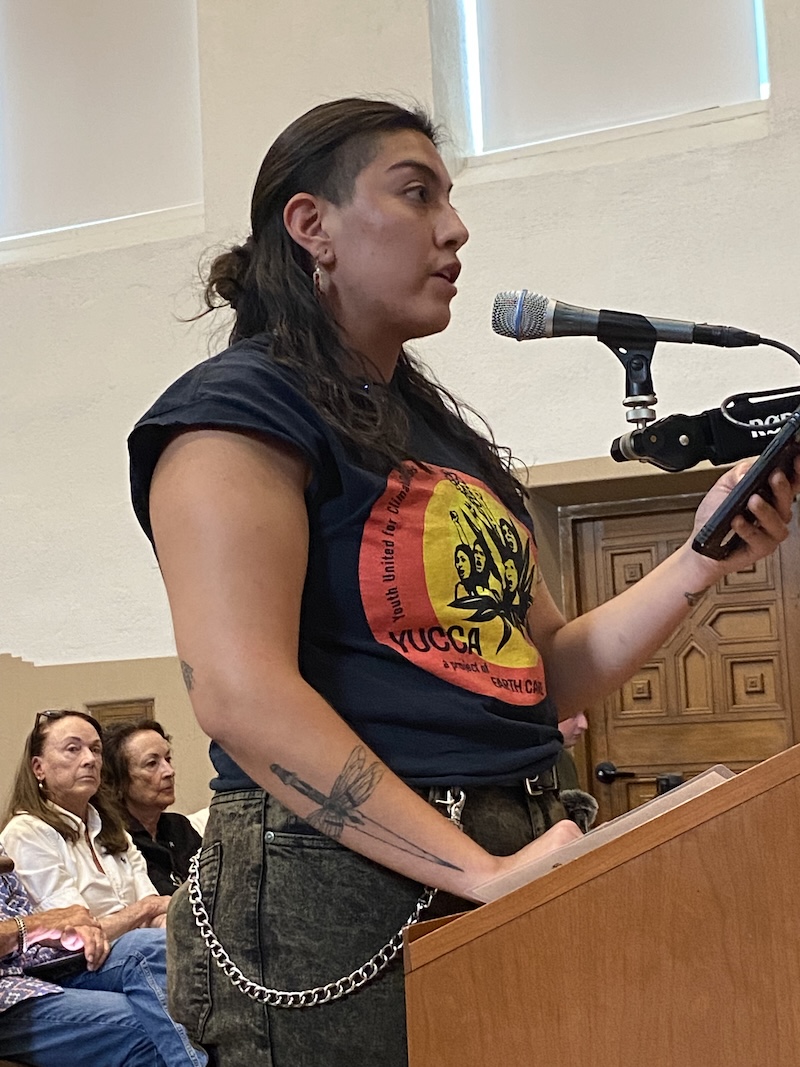
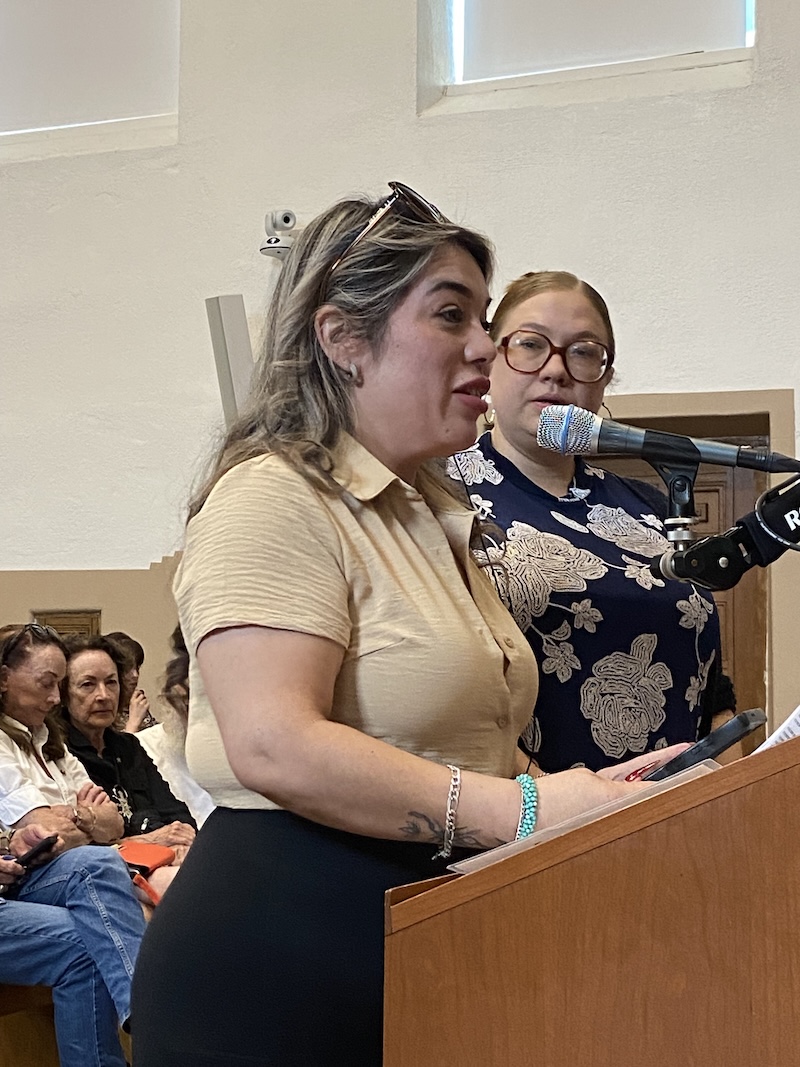
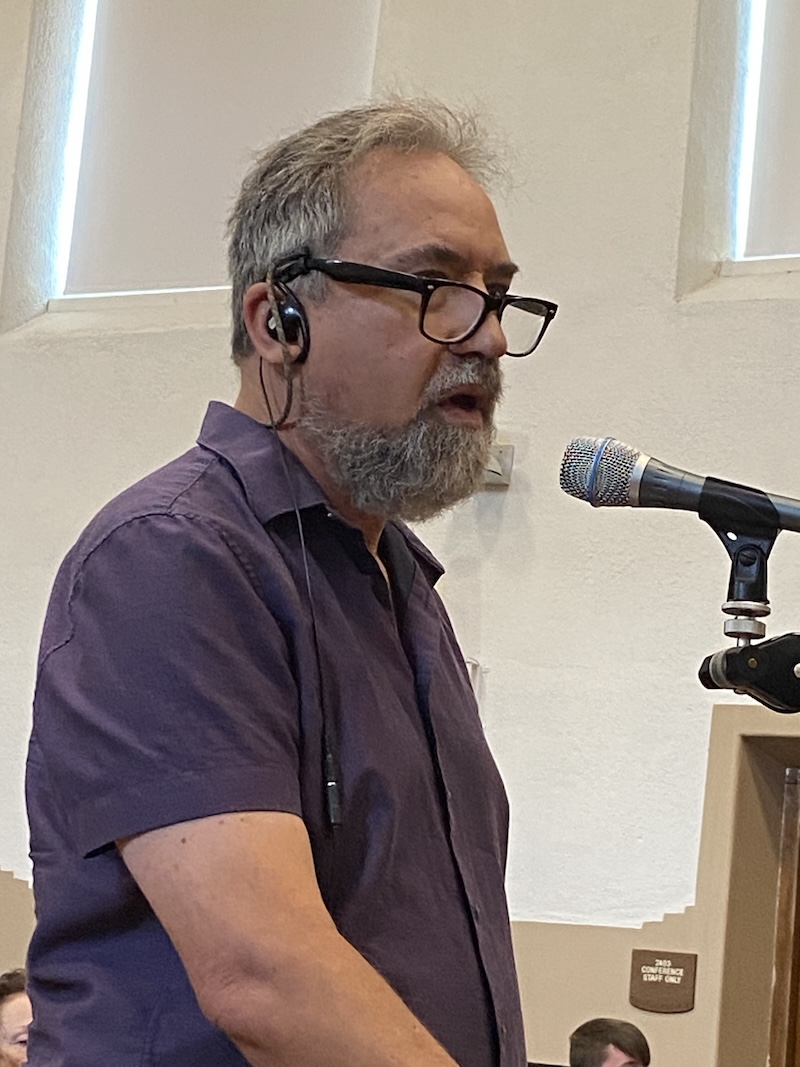
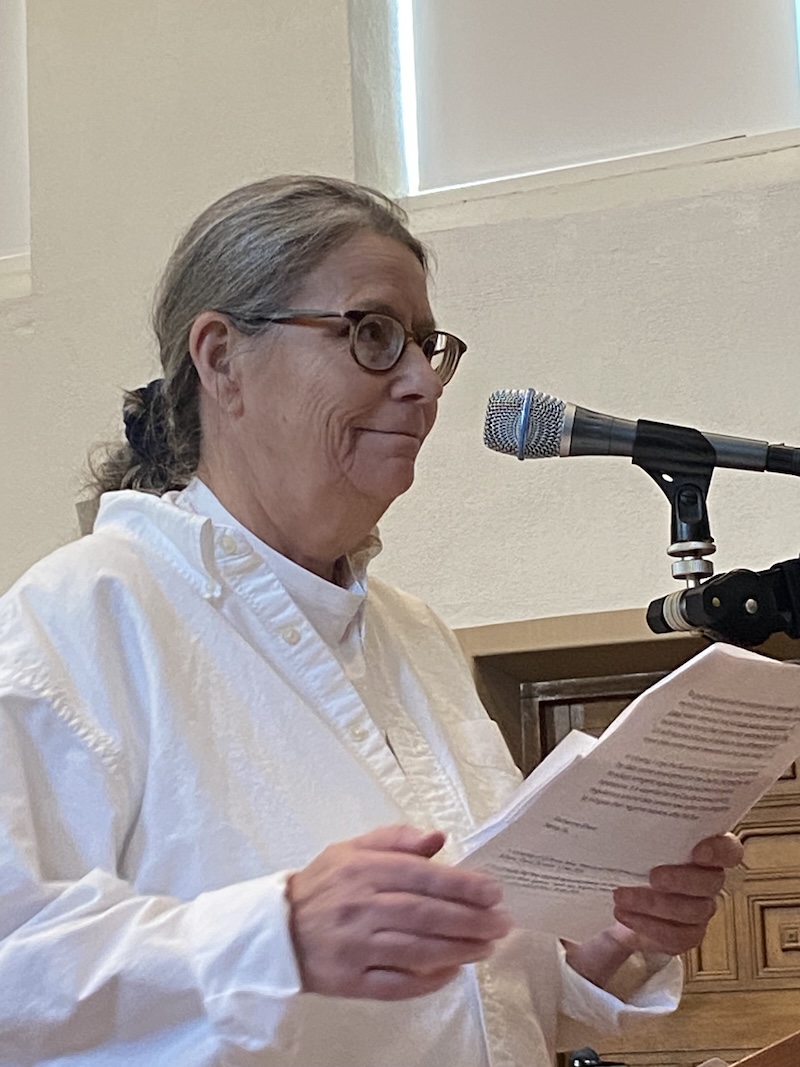
On Tuesday the Santa Fe County Commission voted unanimously to adopt an 18 month Data Center Moratorium Ordinance to allow time for study and adoption of critical regulations to protect against data center harms in Santa Fe County. Hundreds of you emailed the Commissioners, and dozens showed up at the meeting to ask for critical amendments to the published draft. The result? A strong ordinance that will protect Santa Fe County residents and serve as a model for counties across the state who have been reaching out to us for help! New Energy Economy joined Third Act New Mexico to offer the following amendments, all of which were adopted: - The definition of Data Center was modified to reduce the threshold for enforcement from 100MW to 1MW.
- The moratorium was extended to 18 months to allow for adequate time to promulgate and adopt permanent regulations.
- A robust stakeholder engagement process was adopted and will include community members, tribal representatives, acequieros, farmers, environmental groups and others.
- Siting criteria and land use compatibility standards were amended to include environmental justice screening, equity-centered siting criteria, cumulative burden analysis, and land use changes.
- Expansion of areas of study during the moratorium to include electricity ratepayer impacts, wastewater generation and treatment capacity, landfill impacts and electronic waste management and recycling.
- Public notification requirements and a prohibition on signing of Non-disclosure Agreements; and
- Expansion of cumulative impact assessment standards to include aggregate water consumption, peak water consumption, air quality impacts; groundwater and aquifer impacts; impacts on acequia systems and traditional agricultural water users; impacts on historically overburdened communities; wastewater generation and treatment impacts; wastewater generation and treatment impacts; diesel backup generator emissions; electricity demand; noise (including low-frequency and continuous noise); and stormwater impacts of the proposed facility in combination with any other data center facilities located within scientifically appropriate impact-specific study areas, including airsheds, watersheds, aquifer recharge zones, viewsheds, and other geographic areas determined by County staff to be relevant to the environmental medium being evaluated, regardless of ownership.
We commend the Santa Fe County Commissioners for taking this proactive step and for listening carefully to the people in order to strengthen the initial proposal, and especially Commissioners Lisa Cacari Stone and Hank Hughes for taking the initiative to sponsor the ordinance. As our statement to the Commissioners noted: Too often government responds only after people have been harmed, after groundwater has been contaminated, after ratepayers have been saddled with billions of dollars in unnecessary costs, after communities have lost their health or quality of life. Prevention is the highest form of public service. Preventing harm is not anti-business; it is good governance. It is fiscally responsible, scientifically sound and morally necessary. Global data centers consumed an estimated 448 terawatt-hours of electricity in 2025. If data centers were a country, they would rank as the world’s eleventh-largest electricity consumer. By 2030, that demand is projected to more than double to approximately 945 terawatt-hours, with AI workloads alone accounting for nearly forty percent of that consumption. The associated water footprint could exceed 9.3 trillion liters annually, while the carbon emissions would approach 400 million metric tons of carbon dioxide equivalent. The profits flow to multinational technology executives and financial investors. Yet the costs are borne locally. Nearby residents live with the noise. Communities surrender scarce water supplies. Utilities build billions of dollars in new infrastructure. Existing ratepayers are often asked to subsidize transmission upgrades, generation, and grid expansion. Rural communities lose agricultural land. Future generations inherit greater climate instability. And it is at this local level that we have the most power to fight back. Land use regulations are largely locally determined by zoning boards and County Commissions. And at that local level our voices can still be heard. Is your community protected? You can propose an ordinance like this one. Let's act locally to keep exploitative data centers out of New Mexico! | |